



infiniti vehicle warranty essentials and step-by-step confidence guide

Quick orientation

Your warranty is a promise that factory defects will be repaired with genuine parts by trained technicians. It usually divides into a basic limited (often called bumper-to-bumper), a powertrain segment, plus items like corrosion perforation, emissions, and roadside assistance. Terms vary by model year and region, so treat the booklet in your glovebox (or the digital copy in your owner account) as the final word.

What it typically covers

  • Materials or workmanship defects: Components that failed under normal use, from engine internals to control modules.
  • Powertrain: Engine, transmission, and related driveline parts if the failure stems from a defect.
  • Corrosion perforation: Rust that eats through from the inside out, not surface rust from chips.
  • Emissions systems: Certain parts carry special coverage under federal or state rules.
  • Roadside assistance: Towing to an authorized retailer and basic help, as defined by your plan.

What it usually does not cover

  • Wear items like brake pads, wiper blades, and tires, unless a defect is proven.
  • Damage from accidents, misuse, racing, or poor-quality fuel/fluids.
  • Maintenance such as oil changes, alignments (outside initial period), or cleaning.
  • Unauthorized modifications and failures they cause (tunes, lifts, non-OEM electronics).

How to confirm your coverage right now

  1. Grab your VIN and mileage: VIN is on the dash by the windshield or on your registration.
  2. Find the in-service date: The clock starts when the vehicle was first sold or leased.
  3. Open your owner account: Log in to your brand portal or app to view active warranties and campaigns.
  4. Call your retailer: Ask for a warranty status check by VIN; confirm remaining months/miles for each segment.
  5. Save the proof: Screenshot or note the dates and any open service campaigns.

Real-world moment

Last winter, my QX60 threw a warning and the idle felt rough. I paused - was this covered or just bad gas? The advisor ran diagnostics, found a faulty sensor tied to emissions (covered), and the repair was completed the same day with no charge. That tiny moment of hesitation reminded me to always verify coverage before assuming the worst.

Make a smooth claim (step-by-step)

  1. Document the symptom: Note when it happens, dashboard lights, sounds, smells, and weather. Short videos help.
  2. Book service: Request a diagnosis under warranty. If possible, schedule for a day the symptom is repeatable.
  3. State concerns clearly: Use concise bullet-style notes to keep the story consistent.
  4. Discuss diagnostic fees: Confirm that covered defects won't incur charges; ask before authorizing non-warranty work.
  5. Approve repairs: Ensure OEM parts and warranty labor times are applied. Keep the repair order copies.
  6. Test and review: On pickup, verify the symptom is gone; ask about software updates or TSBs applied.

Maintenance that protects your claim

  • Follow service intervals: Use the schedule in your manual; severe vs. normal use matters.
  • Keep receipts: Oil, filters, coolant - any DIY or third-party service should show date, mileage, and part specs.
  • Use correct fluids: Stick to the specified oil grade and approved coolant/ATF to avoid disputes.
  • Address warnings promptly: Driving with a flashing MIL or overheating can jeopardize coverage.
  • Record everything: A simple log (date, mileage, work done) speeds approvals.

Certified Pre-Owned and extended coverage

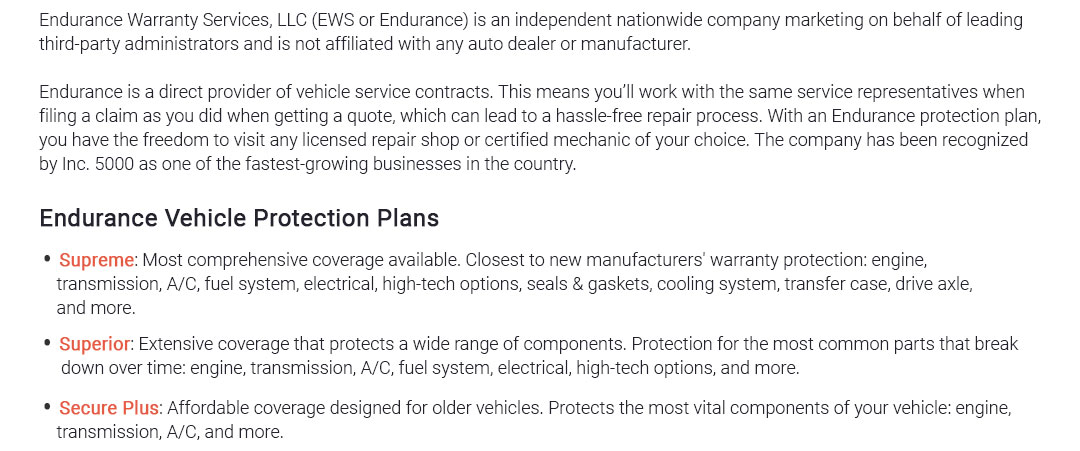
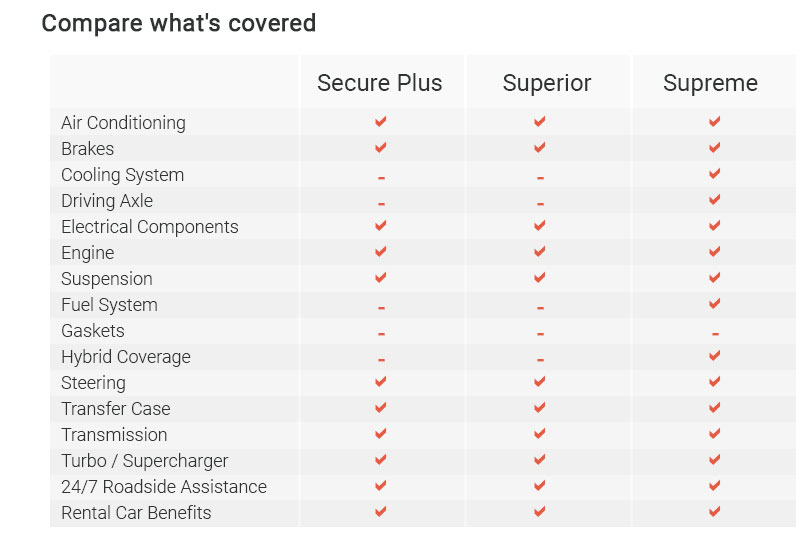
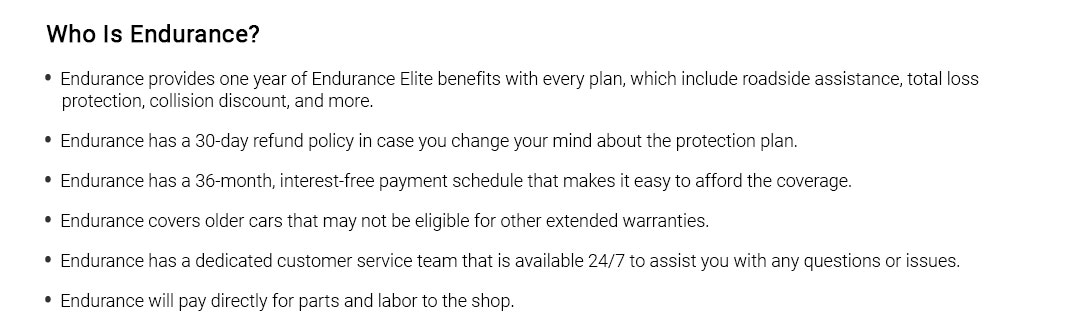
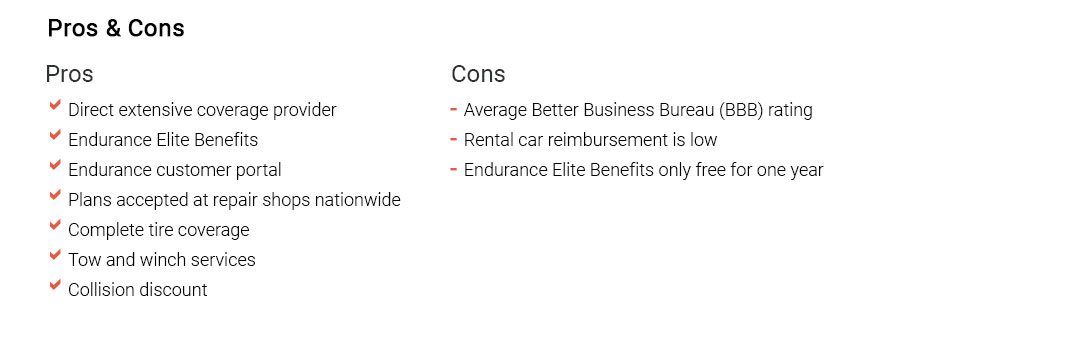
CPO vehicles come with added inspection and a specific limited coverage on top of any remaining factory warranty. Extended plans can add time and miles for major systems and may offer roadside and rental benefits. If you explore them, review what's excluded, where you can service the car, transfer rules, and cancellation terms. Choose based on how long you'll keep the vehicle and your annual mileage.

Priority checklist when something feels off

  1. Safety first: Stop driving if you smell fuel, see smoke, or have flashing warnings.
  2. Capture data: Photos of warnings, short video of the symptom, and current mileage.
  3. Check coverage: Confirm active segments by VIN and in-service date.
  4. Book diagnosis: Ask for the earliest slot; mention if the issue is intermittent.
  5. Review outcome: Covered? Proceed. Not covered? Request the cause and an estimate in writing before deciding.

Small clarifications

  • Software updates: Some are covered if tied to a known defect or campaign.
  • Batteries: Coverage differs for 12V vs. hybrid/EV components; verify by VIN.
  • Aftermarket parts: Merely having them doesn't void coverage, but failures caused by them usually aren't covered.
  • Relocated or second owners: Warranties typically follow the vehicle; check transfer requirements.

What to keep in your glovebox

  • Warranty booklet and maintenance schedule.
  • Recent service receipts with mileage and part specs.
  • Roadside number and your VIN.

If you're unsure - take a breath, note the symptom, and verify. A clear record and a quick coverage check turn uncertainty into a straightforward visit, letting the infiniti vehicle warranty do exactly what it's meant to do: protect your time and your car.

https://www.moderninfinitiofgreensboro.com/infiniti-warranty-overview/
What Are the Standard INFINITI Warranties? - 2-year/24,000-mile Federal Emission Performance Warranty - 4-year/60,000-mile Federal Emission Defect Warranty - 8- ...

https://www.infinitiofwarwick.com/manufacturer-information/infiniti-warranty/
The basic INFINITI New Vehicle Limited Warranty covers you for four years or 60,000 miles, whichever comes first. This INFINITI warranty includes any repairs ...

https://www.infinitiofkansascity.com/service/service-tips/infiniti-warranty/
Your basic New Vehicle Limited Warranty is valid for 48 months or 60,000 miles whichever comes first. This INFINITI warranty covers any necessary repairs to ...


atwratnwm
4.9 stars -1227 reviews